Last updated:
Architectural wall surface

PU stone & flexible stone technology

Material engineering,translated intorepeatable surfaces.

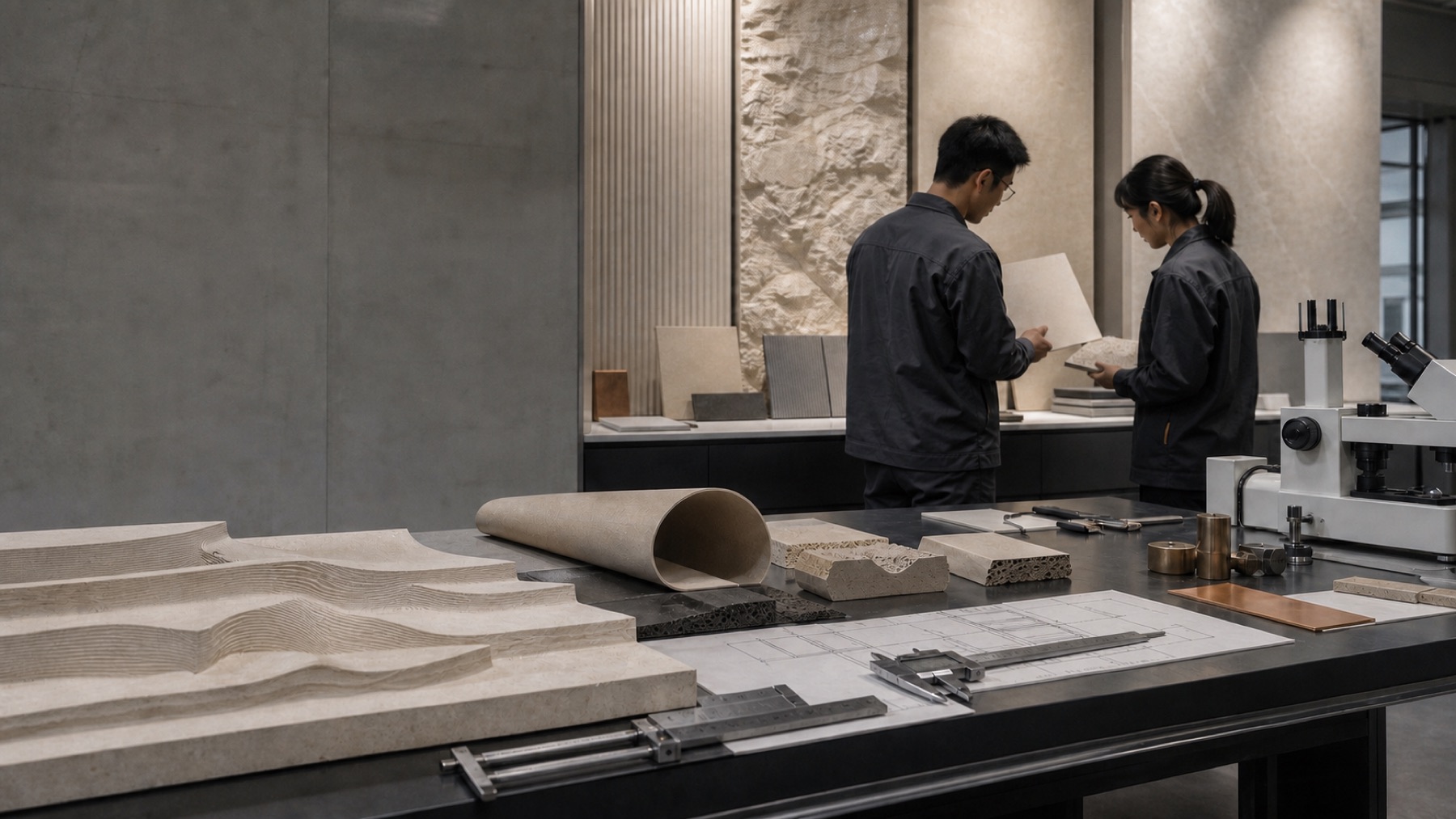
Versa Surfaces Group develops molded PU stone panels and flexible mineral surfaces through material selection, process control, representative sampling and production-reference management.

Our technical focus

Five material systems.One coordinatedproduction approach.

Our in-house capabilities cover PU stone panels, flexible stone panels, art gilded panels, metallic-finish wall panels and marquetry wall panels. Each follows a distinct route for forming, coating, digital printing, hand finishing or veneering.

Across all five systems, we review material structure, surface design, panel geometry, sample approval, production controls and installation interfaces so approved finishes can be reproduced at project scale.

Material and process technology

From core construction to final surface.

Each stage controls a different part of the result: relief, weight, flexibility, color, repeat, durability or installation fit.

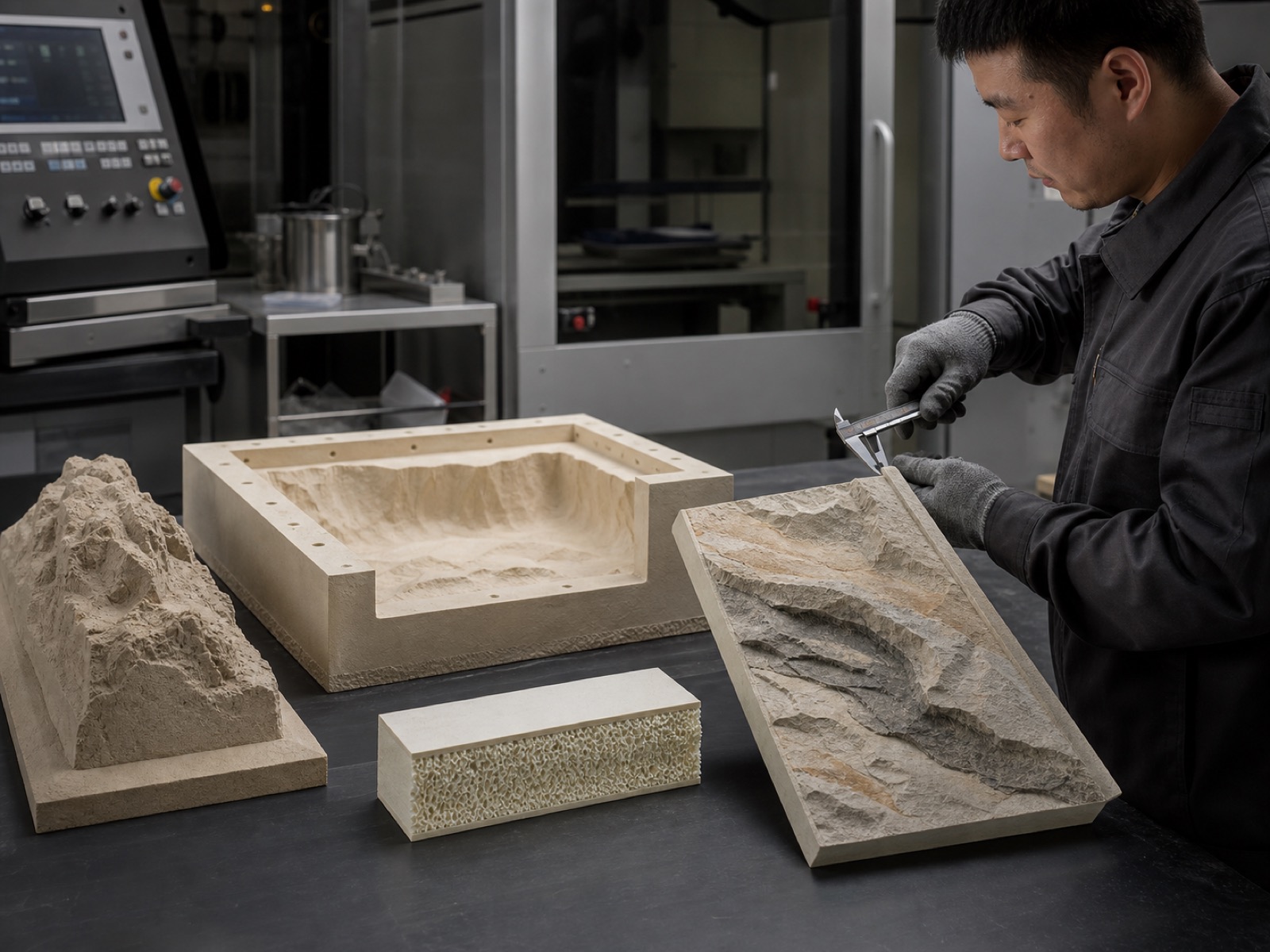
Technician checking a molded PU stone panel and rigid foam cross-section01
PU STONE · MATERIAL ENGINEERING

Rigid PU foam, engineered for dimensional relief.

A PU stone panel combines a rigid polyurethane foam body, molded texture and protective finish. Reaction timing, foam density, cell structure, mold temperature and curing influence edge strength, dimensional stability and relief definition.

  • Controlled polyurethane reaction and foam expansion
  • Fine, consistent cell structure and molded surface skin
  • Curing, trimming and dimensional inspection
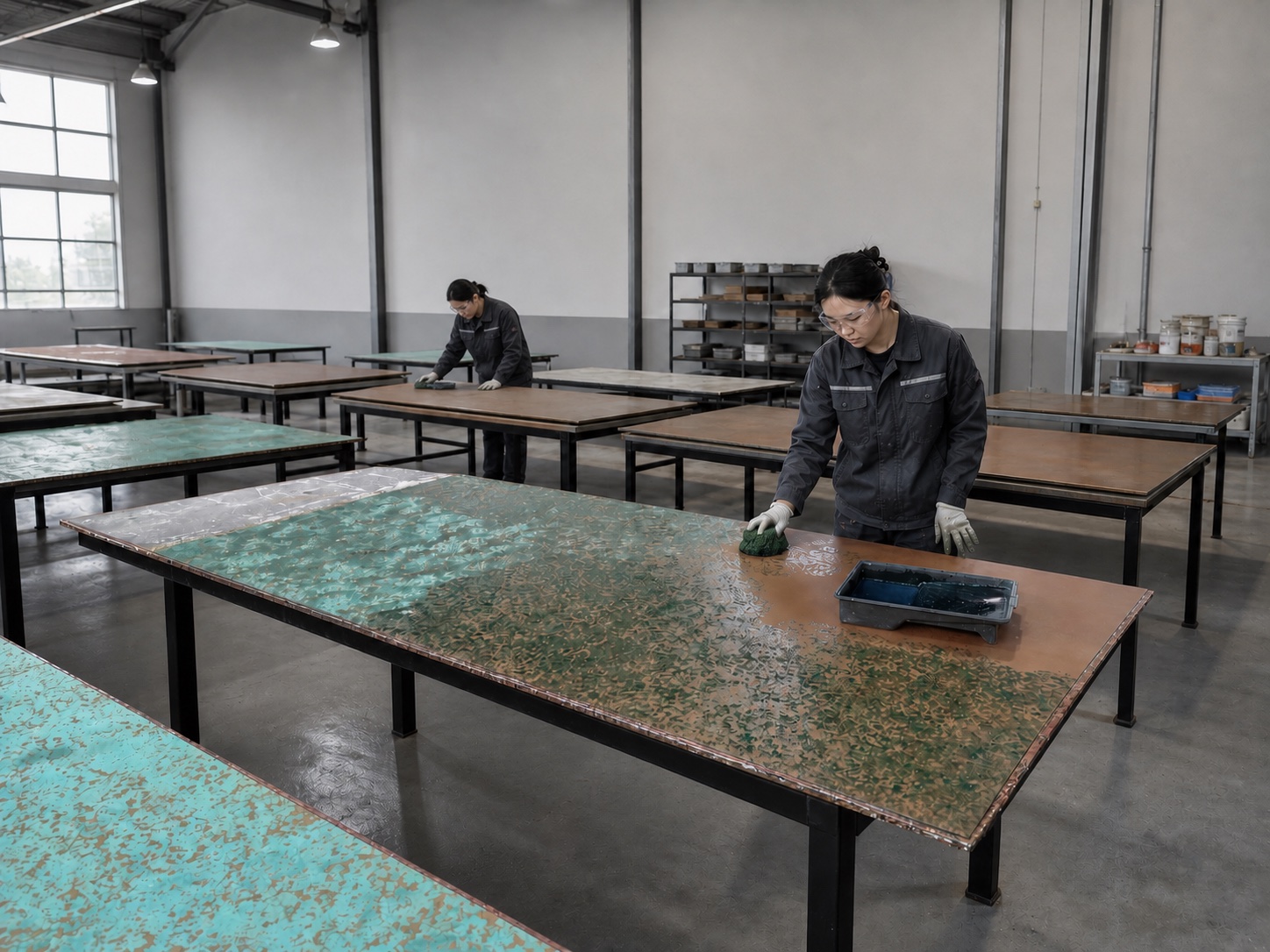
Wall panel technician applying a controlled layered finish02
PU STONE · TEXTURE & FINISH

Stone character is developed in layers.

A high-detail master and mold establish cracks, strata and relief. Base color, tonal spraying, wiping or hand correction and a compatible topcoat then control depth, sheen and natural variation. Multiple molds and considered joint geometry help reduce visible repetition.

  • Master pattern and mold-detail development
  • Layered color, sheen and shadow control
  • Multi-panel review for repetition and joints
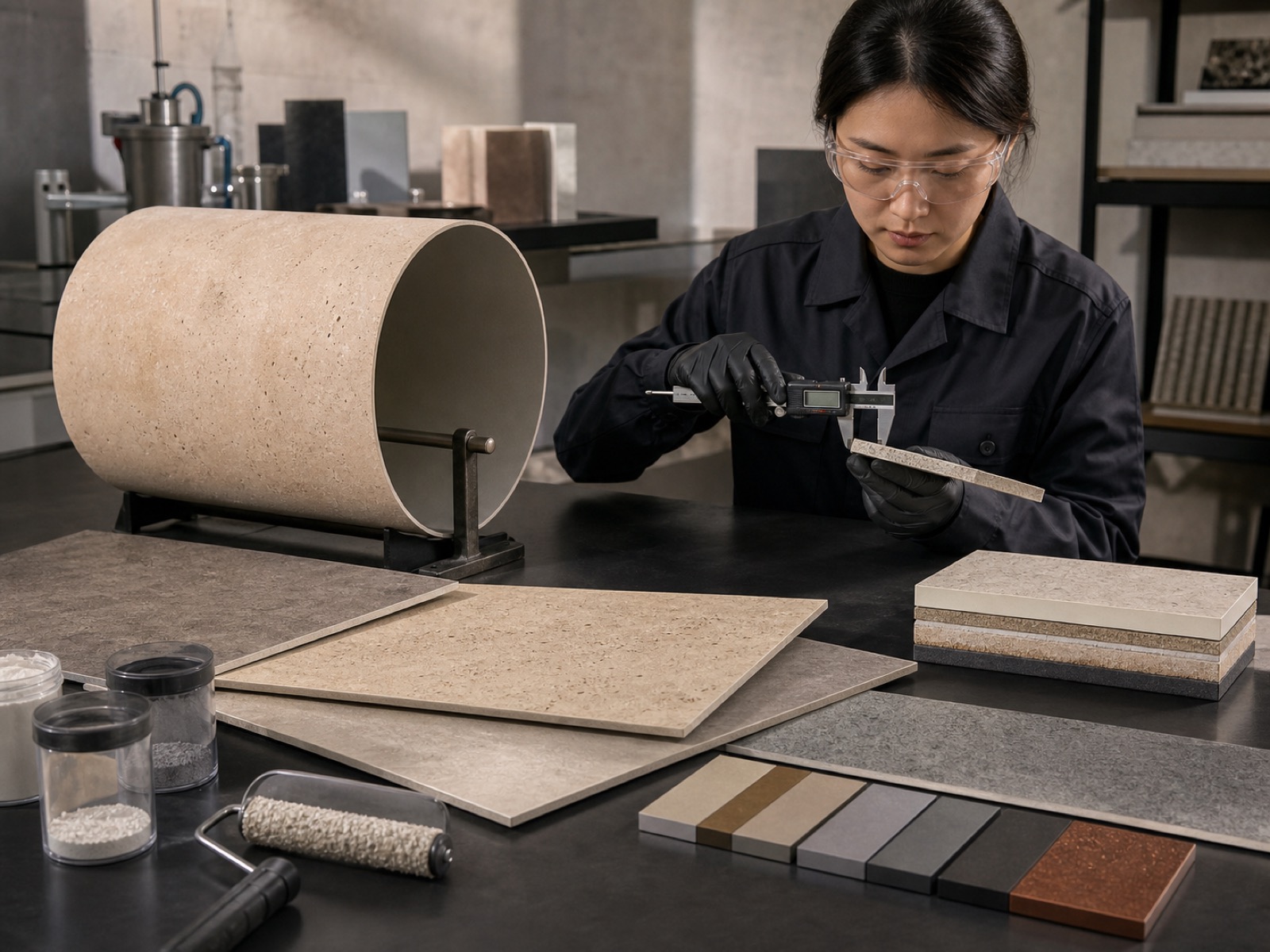
Materials technician measuring a flexible mineral surface03
FLEXIBLE STONE · MATERIAL ENGINEERING

A thin mineral composite with controlled flexibility.

Our primary flexible-stone route uses graded mineral powders with a polymer binding network in a thin section. Particle grading, interface modification, binder balance, thickness and curing determine cohesion, edge integrity and practical bend radius. Flexible does not mean unlimited folding.

  • Mineral grading, polymer binding and pigment control
  • Thickness, areal weight and bend-direction checks
  • Layer adhesion and wet-heat stability review
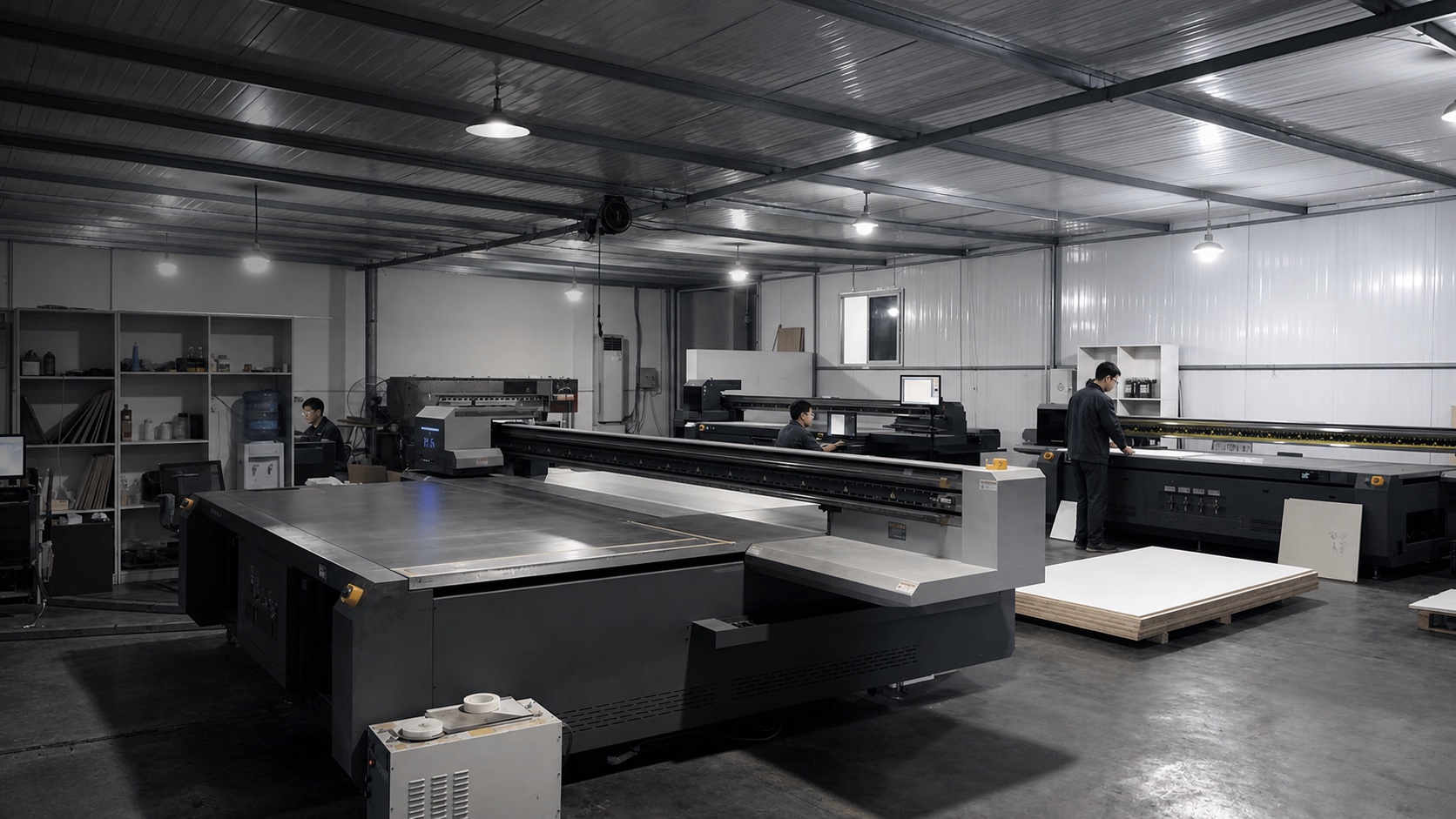
Industrial digital printing workshop for architectural wall panels04
FLEXIBLE STONE · SURFACE REPRODUCTION

Texture, image and color work as one system.

Molding or rolling creates touch; integral color, coating or digital printing develops the visual direction. Image-to-relief registration, pattern scale, coating adhesion, gloss and panel-to-panel repeat are reviewed before a production reference is approved.

  • Embossing, rolling or molded texture development
  • Integral color, coating and digital print options
  • Full-sheet color, repeat and registration approval
What we control

Technology is control over variables.

Product quality cannot be judged from one attractive hand sample. It must remain coherent across material, process, surface and installation.

01

Material structure

PU density and cell quality; or mineral grading, binder network, thickness and layer adhesion.

02

Surface fidelity

Relief definition, color layering, image-to-texture registration, gloss and natural variation.

03

Production repeatability

Dimensions, curing, batch color, pattern frequency, joints and retained references.

04

Application fit

Substrate, adhesive, fixing, curve radius, edges, movement joints and target-market requirements.

Development workflow

From design input to production surface.

Send an image, color code, drawing or physical sample. We translate the visual target into a material route, representative sample and approved production reference.

01

Define the application

Confirm interior or exterior use, substrate, curves, edges, installation, quantity and target market.

02

Select the material route

Choose molded rigid PU for deep relief or a thin mineral composite where weight and controlled curvature matter.

03

Engineer the surface

Develop relief, pattern scale, base color, tonal layers and sheen around the supplied reference.

04

Build representative samples

Move from hand sample to full sheet or multi-panel assembly so joints, repeat and lighting can be evaluated.

05

Approve the reference

Record the approved sample, specification and acceptable visual variation as the production standard.

06

Control production

Check materials, process settings, dimensions, surface appearance, adhesion, packing and retained batch samples.

Six-stage wall panel development process showing design references, PU stone and flexible stone material selection, surface engineering, representative samples, an approved reference and factory production inspection
01Define the application02Select the material route03Engineer the surface04Build representative samples05Approve the reference06Control production
Evidence-led specifications

Performance claimsbelong to a testedproduct and system.

Terms such as fire-retardant, water-resistant, weather-resistant or suitable for exterior use should be tied to a specific model, thickness, assembly, test method and market. Material properties alone do not automatically describe a complete installed wall.

Discuss technical requirements ↗
01Product identity

Material route, composition, dimensions and surface system.

02Test scope

Named standard, tested sample and complete assembly.

03Application conditions

Interior or exterior exposure, substrate and installation details.

04Approved reference

Color, texture, gloss, variation and batch-control sample.

Technical FAQ

Essential answers for specification teams.

Clear definitions make early material decisions faster and reduce avoidable assumptions later in the project.

How should interior designers choose between the five wall panel systems?

Choose architectural wall panels by the required depth, weight, curve, finish and installation method. PU stone panels suit deep stone relief; flexible stone panels suit thin, lightweight surfaces and suitable curves; art gilded and metallic-finish wall panels provide decorative metal effects; marquetry wall panels create precise wood compositions.

Where are PU stone panels best used, and how are they installed?

PU stone panels are commonly specified for lightweight interior feature walls, hospitality spaces, retail settings and selected exterior applications when the tested product is suitable. Installation may combine compatible adhesive with mechanical fixing. The substrate, panel joints, corners, expansion allowance and local requirements must be confirmed for each project.

Can flexible stone panels be installed on curved walls?

Flexible stone panels can follow suitable columns and curved walls within the approved bend radius. The installer should test the actual sheet, texture direction, substrate, adhesive and edge detail before work begins. Flexible stone should not bridge active cracks or replace structural movement joints.

What should designers know before specifying art gilded panels?

Art gilded panels use hand-applied gold, copper, bronze, patina or rust-inspired finishes, so controlled tonal variation is part of the character. Designers should approve a physical sample, define acceptable variation, confirm panel orientation and use an installation method that protects finished edges and faces.

Where can metallic-finish wall panels be used?

Metallic-finish wall panels work well on interior feature walls, reception areas, retail displays, restaurants and hospitality spaces. Select the substrate and finish system around traffic, moisture, cleaning and lighting conditions. Confirm exterior or wet-area suitability only from the test evidence for the specified product.

How are marquetry wall panels planned and installed?

Marquetry wall panels require an approved elevation, panel numbering and a clear setting-out reference so the wood pattern aligns across the wall. A stable, level substrate and controlled indoor conditions help protect joints. The installer should follow the supplied sequence and protect the finished veneer during adjacent construction.

What substrate and adhesive are required for wall panel installation?

Wall panel installation starts with a dry, stable, clean and level substrate. The correct adhesive, primer, mechanical fixing, joint treatment and edge detail depend on the panel type, wall construction and application. Versa Surfaces Group reviews the proposed installation context before recommending a project-specific route.

Can wall panels be customized from an image, color code or drawing?

Yes. Custom wall panels can be developed from a reference image, color code, drawing or physical sample. The development process can adjust texture, color, pattern scale, sheen, panel dimensions and edge details within the selected material system and its production limits.

How are samples and color consistency approved before production?

Wall panel sampling should progress from a hand sample to a full panel or multi-panel mock-up when joints and pattern repeat matter. The approved master sample records color, texture, gloss and acceptable variation. First-piece and in-process checks then compare production output with that agreed reference.

How should decorative wall panels be cleaned, maintained and supported after installation?

Use non-abrasive cleaning methods compatible with the specified wall panel finish. Keep the product code, batch information, approved sample and installation records for after-sales review. If a concern appears, provide photographs, quantity, location, lighting conditions and installation details so the factory can trace the batch and assess the cause.

START WITH THE DESIGN INTENT

Bring us the reference.We will engineer the route.

Share your image, color code, drawing, physical sample and application requirements. Our team will propose a suitable PU stone or flexible stone development path.

Start a technical discussion ↗View product families →
WhatsApp↗